



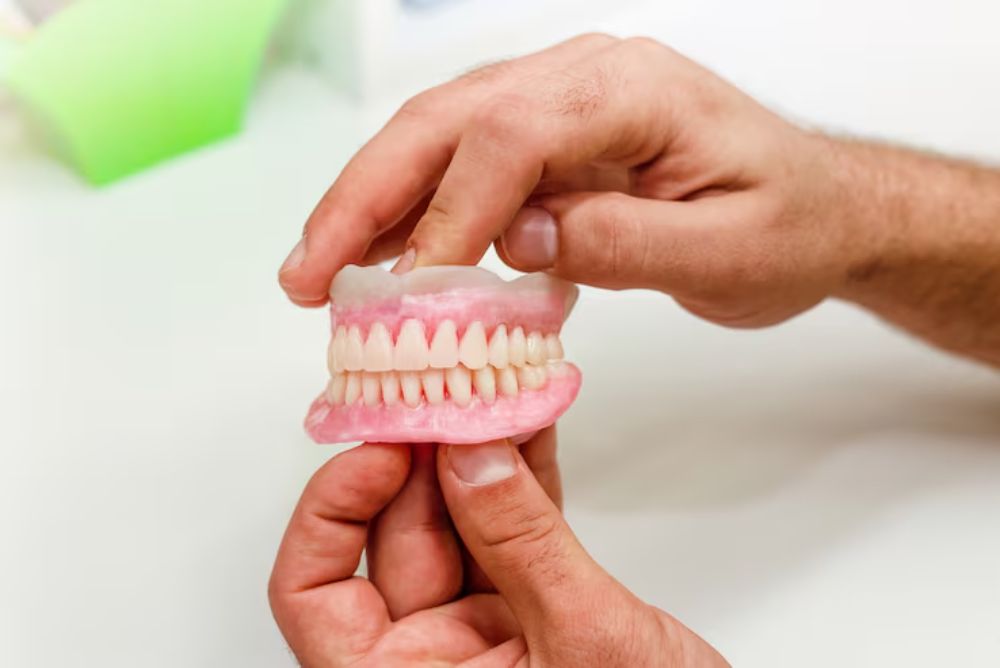
Are you trying to decide which type of denture may work better for your smile and daily comfort? Missing teeth can make it harder to eat, speak clearly, and feel confident in everyday life. Many patients comparing the best denture options, complete or partial dentures, want to understand how each option works and which one better fits their oral health needs. Dentures are designed to replace missing teeth and improve comfort, appearance, and function.
Modern dentures are designed to look more natural and feel more comfortable than older styles, providing patients with greater support in daily life.
What are Dentures?
Dentures are removable dental appliances used to replace missing teeth and surrounding tissue. They help restore the ability to chew, speak, and smile more comfortably.
Patients looking for dentures in Kelowna often learn that there are two main types:
- Complete dentures
- Partial dentures
The right option depends on how many natural teeth remain and the overall condition of the mouth.
What are Complete Dentures?
Complete dentures replace missing teeth in the upper, lower, or both jaws. They’re advisable when no healthy natural teeth are left.
Complete dentures assist:
- Revive complete happiness.
- Improve chewing ability
- Support facial appearance
- Improve speech clarity
They rest directly on the gums and are custom-made for each patient.
What are Partial Dentures?
Partial dentures are used when some natural teeth are still healthy and present. They fill the spaces left by missing teeth while using nearby teeth for support.
Partial dentures may:
- Prevent shifting of remaining teeth.
- Improve chewing balance
- Restore appearance
- Support normal speaking
They are often attached using small clasps or precision fittings.
How to Choose Between Full and Partial Dentures
Choosing between full and partial dentures depends on several factors.
Dentists usually look at:
- How many teeth are missing
- The health of your remaining teeth
- The condition of your jawbone
- Comfort preferences
- Your daily eating and speaking needs
- Long-term oral health goals
A dental checkup at a dental clinic in Kelowna can help determine which denture option may provide better comfort, support, and stability.
Best Denture Option: Complete or Partial Dentures
The best denture option, complete or partial dentures, depends on your oral health needs, and no one option is better for everyone.
Complete dentures may be a better option when:
- All teeth are missing
- The remaining teeth cannot be saved
- Full-mouth tooth replacement is needed
Partial dentures may be a better option when:
- Some healthy, natural teeth are still present
- Only a few teeth are missing
- Natural teeth can help support the denture
Both options are made to improve comfort and help make daily activities like eating and speaking easier.
Benefits of Complete Dentures
Complete dentures offer several advantages for patients who have lost all their teeth.
Main benefits include:
- Full smile restoration
- Improved facial support
- Better chewing compared to no teeth.
- More confident appearance
- Custom fit for comfort
They help restore many daily activities affected by tooth loss.
Benefits of Partial Dentures
Partial dentures help replace missing teeth while keeping your natural teeth in place.
Benefits may include:
- Better support while eating
- Helping nearby teeth stay in the correct position.
- Clearer speech
- Better balance when biting
- Easier adjustment for some patients
Partial dentures can be a good option when you still have healthy natural teeth remaining.
What to Expect During the Denture Process
Getting dentures in Kelowna usually takes a few dental visits to make sure they fit properly and feel comfortable.
The process may include:
- Dental examination
- Impressions of your mouth
- Measuring how your teeth and jaws fit together
- Denture fitting appointments
- Small adjustments after the dentures are placed
These adjustments help improve comfort and fit over time.
Adjusting to New Dentures
It is normal for dentures to feel a little different during the first few weeks.
Common adjustment experiences include:
- Mild soreness at first
- More saliva than usual
- Speaking practice needed
- Learning how to chew certain foods comfortably
Most patients gradually become more comfortable as their mouths get used to the dentures.
Caring for Dentures Properly
Taking care of your dentures every day can help them feel comfortable and last longer.
Helpful denture care tips include:
- Cleaning your dentures daily
- Taking dentures out at night
- Handling dentures carefully so they do not break
- Visiting a dental clinic near you regularly
- Cleaning your gums and tongue every day
Good denture care can help keep your mouth healthy and your dentures in good shape.
Restore Comfort and Confidence in Your Smile!
Replacing missing teeth can help improve comfort, eating, speaking, and confidence in daily life. Choosing the right denture option can also support better long-term oral health. Book your appointment today with Love It Dental for personalized denture care designed to fit your smile and comfort needs.
FAQs
How do you choose between full and partial dentures?
The right option depends on how many natural teeth you still have, the health of your gums, your comfort needs, and your overall oral health.
Are dentures comfortable to wear?
Modern dentures are made to fit comfortably, but it is normal to need some time to get used to wearing them at first.
How long do dentures last?
Dentures can last several years with proper care, although adjustments or replacements may eventually be needed.
Can dentures improve chewing and speaking?
Yes, dentures help restore chewing ability and support clearer speech after tooth loss.