



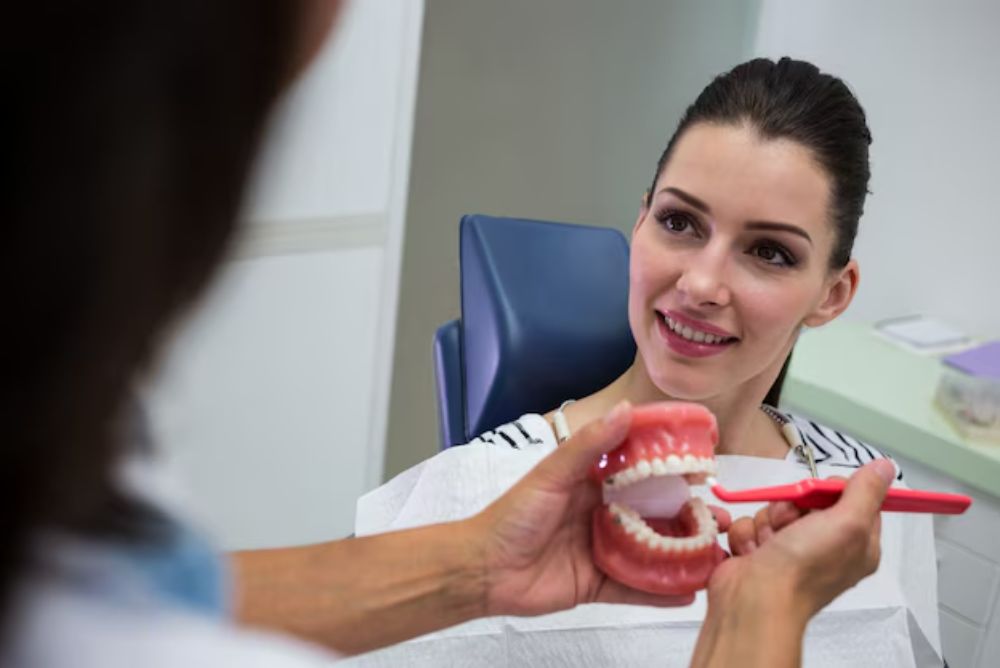
Getting dentures is not as simple as choosing small, medium, or large. Every mouth has a different shape, so dentures need to be made according to your gums, jaw, bite, and facial features. Many patients also ask, “What is the most comfortable denture to wear?” Comfort usually depends less on a particular type and more on how well the denture is designed and fitted for your mouth.
How Is Denture Size Determined?
Dentures are typically custom-made rather than selected from standard sizes. Before creating them, your dental team carefully evaluates your mouth and takes the measurements or impressions needed to create a suitable fit.
When considering dentures near you, the assessment may look at several factors, including:
- The size and shape of your jaw
- The condition of your gums
- The space available for replacement teeth
- Your natural bite
- The position of your upper and lower jaws
- The appearance and proportions of your smile
These details help create dentures that look natural while supporting everyday activities such as eating and speaking.
Why Does the Right Denture Fit Matter?
Dentures should sit comfortably in your mouth without constantly shifting or creating unnecessary pressure. A proper fit can also help you speak and chew more comfortably once you have adjusted to wearing them.
Your mouth can change over time, even after your dentures have been made. Changes in the gums and underlying jawbone may gradually affect how the denture sits.
Regular visits to a dentist in Kelowna can help identify changes in fit and determine whether an adjustment, reline, repair, or replacement is appropriate.
How Do You Tell If Your Dentures Are Too Small?
One common question among denture wearers is, “How do you tell if your dentures are too small?” A denture that does not fit your mouth correctly may feel unstable or fail to provide enough support.
Possible signs of a poor fit can include:
- Dentures that move while speaking or chewing
- Frequent slipping out of position
- Difficulty chewing certain foods
- Changes in speech
- Areas of ongoing irritation
- A noticeable change in how your bite feels
These concerns do not always mean that the denture itself is too small. Changes in the gums, jawbone, bite, or denture surface can also affect the fit. A dental assessment is the best way to determine what is happening.
What Happens If Dentures Do Not Fit Properly?
It can take some time to get used to new dentures. If they continue to feel uncomfortable or keep moving, talk to your dental team.
Trying to adjust or reshape dentures at home may damage them and worsen the fit.
If you are searching for a dentist near you because your dentures have become uncomfortable, bring them to your appointment. Your dentist can examine both the dentures and your mouth before recommending the next step.
Can a denture fit change over time?
Yes. Your gums and jawbone naturally change after tooth loss. Because of these changes, dentures that once felt secure may eventually become loose.
Good denture care and routine dental visits can help you notice these changes early. Depending on the condition of your dentures and mouth, professional adjustments may help restore a more comfortable fit.
Getting a Denture Fit That Feels Right
Dentures should be made to match the unique shape and structure of your mouth rather than following a one-size-fits-all approach. Accurate measurements and careful fitting help create a secure, natural feel, while follow-up visits allow your dental team to make adjustments if needed.
Love It Dental provides personalized care to help patients understand their tooth replacement options and make informed decisions about their smiles.
Contact Love It Dental today to schedule your consultation and discuss the right solution for your needs.
Frequently Asked Questions
1. Are dentures available in standard sizes?
No. Dentures are usually made to fit the shape of your mouth, gums, and bite for better comfort and function.
2. How long does adjusting to dentures take?
Adjustment time varies, although many people gradually become more comfortable as they practise eating and speaking.
3. Why do my dentures suddenly feel loose?
Changes in your gums and jawbone can gradually affect how securely your dentures fit.
4. Can loose dentures be adjusted?
Yes. A dentist may adjust or reline your dentures to help them fit more comfortably and securely.
5. Should dentures move when I eat?
Some movement may occur, but your dental team should assess frequent slipping while eating.
6. Can I adjust poorly fitting dentures myself?
No, home adjustments can damage dentures or affect their fit, so professional assessment is always recommended.