



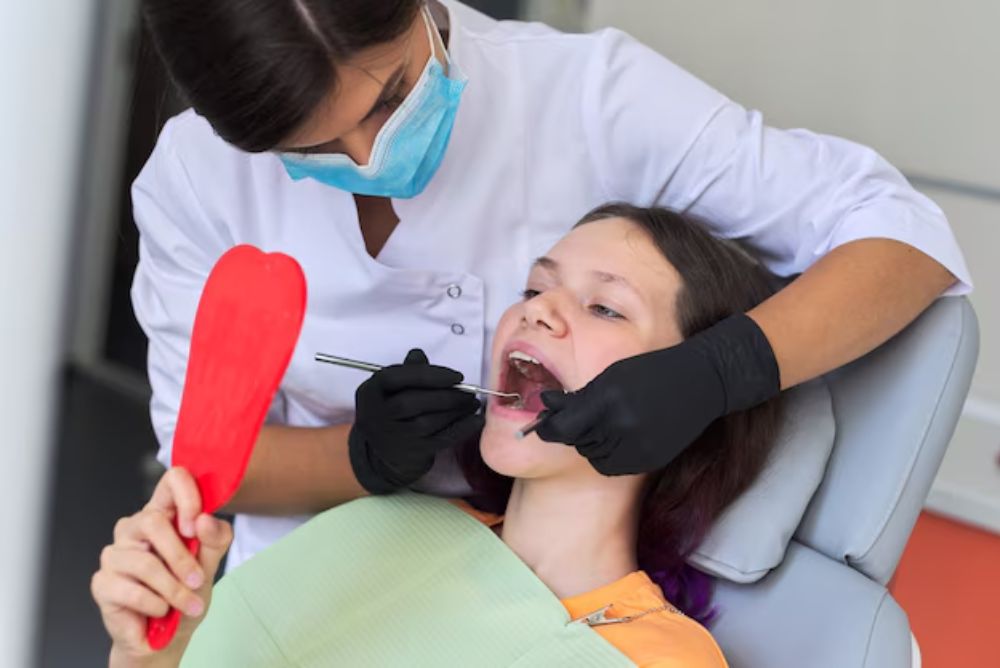
Restorative dentistry helps fix teeth damaged by decay, cracks, wear, or injury. The goal is to restore the tooth’s shape, strength, and normal function when possible. For example, restorative fillings in Kelowna can fix a tooth with a cavity and help protect the healthy part of the tooth.
The type of treatment you need depends on the condition of your tooth and your overall oral health. Getting dental problems treated early may help prevent them from worsening and reduce the need for more complex care.
What Does Restorative Dentistry Include?
Restorative dentistry covers several treatments used to repair or replace damaged teeth. The recommended option depends on the extent of the damage and the health of the surrounding teeth and gums.
Common restorative treatments include:
- Dental fillings for cavities
- Crowns for weakened or badly damaged teeth
- Bridges for replacing missing teeth
- Dental implants for replacing missing teeth
- Dentures for replacing several or all missing teeth
- Root canal treatment for certain infected or inflamed teeth
Not every damaged tooth needs the same treatment. A dental examination can help determine which option may be suitable.
Why Can Restorative Dental Treatment Be Worth It?
Restoring a damaged tooth can provide benefits beyond improving its appearance. Treatment may help you chew more comfortably and protect the remaining tooth structure.
Depending on the treatment, restorative care may help:
- Repair damage caused by tooth decay
- Restore part of a chipped or broken tooth.
- Improve chewing function
- Protect a weakened tooth from further damage.
- Replace a missing tooth.
- Make daily eating more comfortable.
- Support better oral function.
Early treatment can also make some dental problems easier to manage. However, the right timing depends on the condition of the tooth.
What Are the Risks of Dental Restoration?
Like any dental treatment, restoration can have some risks. The risks depend on the type of treatment, the condition of the tooth, and how well the tooth responds afterward.
Possible concerns may include:
- Temporary sensitivity
- Discomfort around the treated tooth
- A restoration that is becoming loose or damaged.
- A change in the way the teeth meet
- Decay is developing around a restoration.
- The need for repair or replacement later
Good brushing, flossing, and regular dental visits can help protect restored teeth. If pain, sensitivity, or any other concern persists, a dental assessment can help identify the cause.
Is Restorative Dentistry Worth the Cost?
The value of restorative care depends on the problem being treated. Leaving decay, damage, or a missing tooth untreated may make the problem more difficult to manage over time.
A dentist in Kelowna can assess the tooth and explain the expected benefits, possible risks, and available treatment choices. This can help you understand whether repairing the tooth now makes sense for your dental needs.
Cost is also affected by the type of restoration, the amount of treatment required, and whether additional care is needed before the restoration.
What Happens During Restorative Treatment?
The treatment process depends on the type of restoration. A dental visit may include:
- Dental examination: The tooth and surrounding area are checked.
- Treatment planning: The available options are explained.
- Tooth preparation: The tooth may need cleaning or shaping.
- Restoration: The filling, crown, bridge, or other restoration is placed.
- Final check: The fit, bite, and comfort are checked.
Some treatments can be completed in one visit, while others may require more than one appointment.
How Can Restored Teeth Be Protected?
A dental restoration does not replace your daily oral care. You still need to clean the restored tooth and the surrounding areas regularly.
To help keep restored teeth healthy:
- Brush twice a day with fluoride toothpaste.
- Clean between your teeth every day.
- Avoid biting on very hard objects.
- Limit sugary foods and drinks.
- Visit your dentist for regular checkups.
- Tell a dentist near you if you have ongoing pain or sensitivity.
Even with good care, a restoration may need to be repaired, adjusted, or replaced over time.
Restore Your Oral Health With the Right Care!
Restorative treatment can help repair damaged teeth, improve function, and address dental problems before they become more difficult to manage. The right treatment depends on the condition of each tooth and your individual dental needs.
Book an appointment with Love It Dental to have your teeth assessed, discuss your restorative options, and understand which treatment may be suitable for protecting your smile and oral health.
FAQs
Is restorative dentistry only for teeth with cavities?
No. Restorative care can also address broken, cracked, worn, or missing teeth. The treatment depends on the type and amount of damage.
Can restorative dentistry save a damaged tooth?
In some cases, restorative treatment can help keep a damaged tooth. However, a severely damaged or infected tooth may need a different treatment.
How long do dental restorations last?
There is no fixed lifespan for every restoration. Daily habits, oral hygiene, the type of restoration, and the condition of the tooth can all affect how long it lasts.
Is restorative dental treatment painful?
Some treatments may cause temporary sensitivity or discomfort afterward. Local freezing is often used when needed to make treatment more comfortable.