



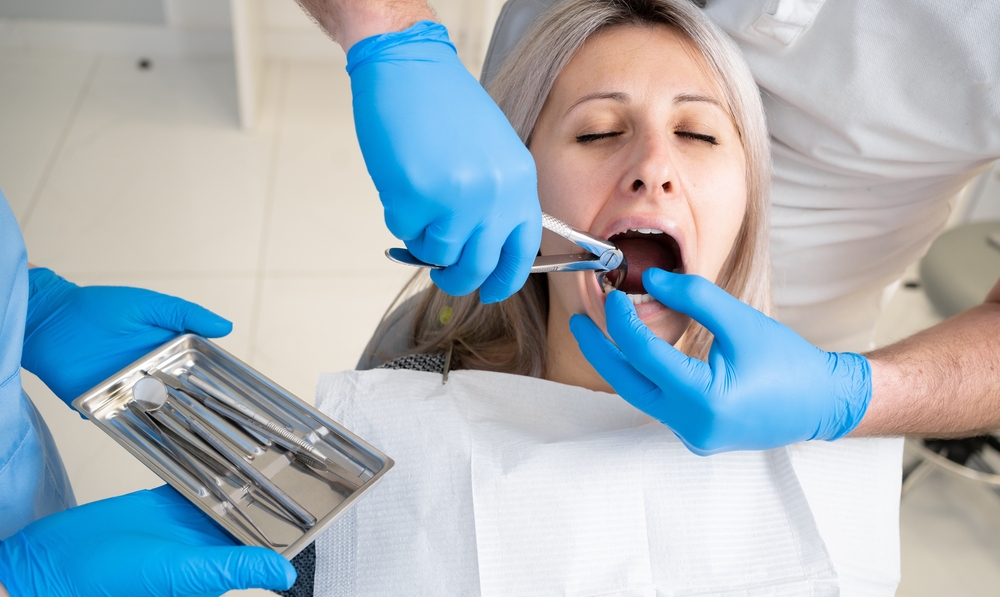
Sometimes, an extraction will be necessary when a tooth is damaged beyond saving. Whether you are planning to consult a dentist near you for tooth extraction or are just looking for more information about the procedure, here’s what you need to know. Understanding when tooth extraction is necessary and what to eat helps in your recovery process.
When Is a Tooth Extraction Necessary?
Figuring out the reasons for an extraction helps you make a choice. Tooth extraction may be necessary for the following common cases.
- Severe Tooth Decay.
If dental decay impacts the tooth’s root or bone structure, fillings and crowns are no longer effective restorations. At this point, extraction is an appropriate treatment.
- Advanced Gum Disease.
If the periodontal disease is not treated, then it may affect the bone supporting the teeth. Loose teeth can cause infections if not removed and can only get worse.
- Impacted Wisdom Teeth.
Partially erupted wisdom teeth can lead to pain, swelling, and infection. It is common for dentists to recommend extraction.
- Dental Infection or Abscess.
If root canal therapy won’t do it and a highly severe level of infection is present, dentists might opt for extraction. This will help prevent the spread of bacteria to other parts of the mouth.
- Dental Trauma or Injury.
Accidents or injuries can damage a tooth beyond repair. If rescue is not possible, a safe extraction helps in protecting your oral health.
- Overcrowding for Orthodontic Treatment.
Sometimes it may be necessary for the orthodontist to extract one or more teeth to create space.
No matter the situation, a visit to a tooth extraction in Kelowna always provides you with the best treatment based on your condition.
What to Expect After a Tooth Extraction.
After the extraction, your will discuss aftercare, including pain control, oral hygiene instructions and foods to avoid. For several days, consuming soft foods can help things heal up quickly and not irritate the area.
What Can I Eat After a Tooth Extraction?
One of the most common questions we get is: “What can I eat after a tooth extraction? Having the right diet would protect the site and reduce pain. Here are safe food options throughout the first few days.
Soft Foods (Day 1–3).
Choose foods that require minimal chewing.
* Mashed potatoes.
* Yogurt doesn’t contain any granola.
* Applesauce.
* Pudding.
* Broths and warm soups.
Protein-Rich Options.
Protein supports tissue healing.
* Scrambled eggs.
* Cottage cheese.
* Soft tofu.
* Protein smoothies.
Hydration-Friendly Liquids.
Stay hydrated while avoiding straws to prevent dry socket.
* Water.
* Natural fruit juices.
* Electrolyte drinks.
* Use a spoon, not a straw, for a milkshake
Foods to Avoid.
To prevent irritation or complications, avoid.
* Foods that are hard and spicy.
* Consume hot foods for the first twenty-four hours
* Seeds, nuts, or chips.
* Alcohol and carbonated drinks.
Following these tips means you’re getting the nutrients you need without disturbing the extraction site.
When to Seek Follow-Up Care.
The recovery process depends on your overall health and the complexity of your surgery. If you notice a decaying tooth, visit a dental clinic for tooth extraction.
* Pain that lasts longer than a few days.
* Fever or swelling.
* Bleeding that doesn’t stop.
* The mouth smells bad or has a bad taste.
Care and further evaluation reduce the risk of complications.
Conclusion.
Getting a tooth extraction can help maintain the health of your mouth if it is damaged, infected, or overcrowded. When a tooth extraction is necessary, knowing what to eat after a tooth extraction helps you recover easily and with confidence.
Make an appointment today and get safe, comfortable, and trustworthy care from Love It Dental.