



Understanding how does oral cancer start is the first step in protecting your long-term health. Like many other types of cancer, oral cancer begins when the DNA in the cells of your mouth or lips changes. These changes, called mutations, tell the cells to grow and divide when healthy cells would normally stop. As these abnormal cells build up, they can form a tumour. Over time, they can spread to other parts of the mouth, the neck, or even further into the body.
The Beginning of a Change
Oral cancer most commonly starts in the “squamous cells”—the thin, flat cells that line your lips and the inside of your mouth. When the DNA in these cells is damaged, they may begin to look like white or red patches. In the beginning, these changes are often painless, which is why many people don’t notice them right away.
This is why finding oral cancer screenings near you is so important. During a professional screening, a specialist looks for these tiny changes in colour or texture that you might miss while brushing your teeth. Catching these cells while they are still in the “pre-cancer” stage makes treatment much more successful.
Common Causes of Oral Cancer
While anyone can develop this condition, there are specific causes of oral cancer that increase the risk significantly. The most common cause is the use of tobacco products, including cigarettes, cigars, pipes, and chewing tobacco. Tobacco contains chemicals that directly damage the DNA in your mouth cells.
Other risk factors include:
- Heavy Alcohol Use: Alcohol acts as an irritant that makes it easier for harmful chemicals to enter the cells.
- Sun Exposure: Too much sun on the lips can cause cancer to start there.
- HPV Infection: A common virus called “human papillomavirus” has been linked to an increase in cancers at the back of the throat.
Spotting the Early Signs
You can be your own best advocate by knowing theearly signs of oral cancer. You should check your mouth once a month in a bright mirror. Look for anything that doesn’t look “normal” or hasn’t healed after two weeks.
Common signs to watch for include:
- A sore on the lip or mouth that does not heal.
- A white or reddish patch on the inside of your mouth.
- Loose teeth without a clear dental cause.
- A growth or lump inside your mouth.
- Persistent mouth pain or ear pain.
Professional Support in Your Community
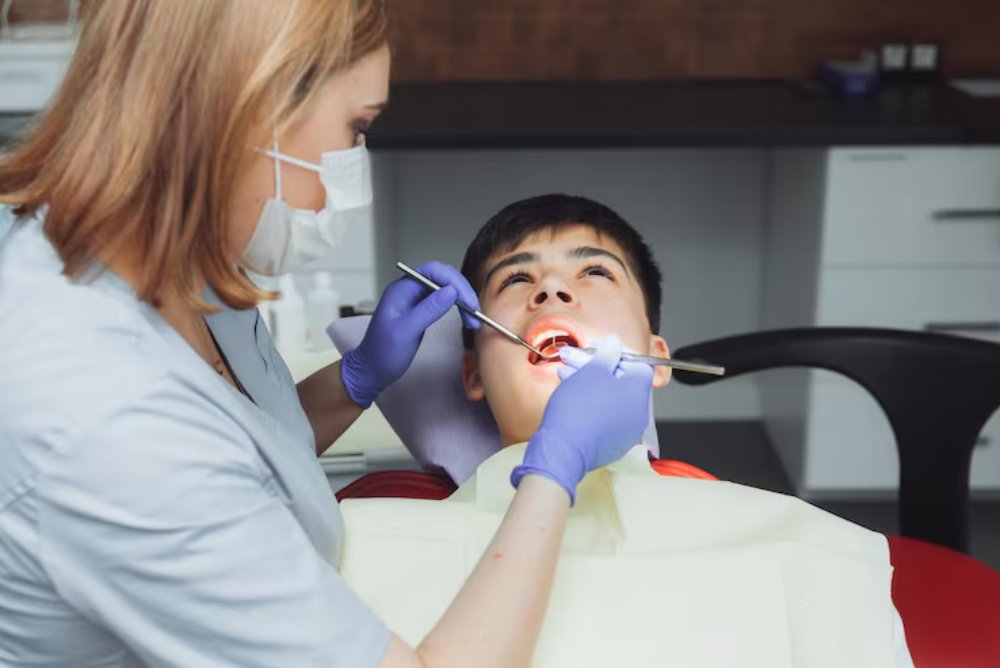
Between your own checks, you need a professional eye to ensure everything is healthy. Visiting a dentist in Kelowna for your regular check-up is the easiest way to stay safe. A dentist near you is trained to feel for lumps in your neck and jaw and to look under your tongue—places where cancer often hides. These exams are quick, painless, and are often included as a standard part of your regular cleaning visit.
| What You Might See | What it Could Mean |
| White Patches | Leukoplakia (could be pre-cancerous) |
| Red Patches | Erythroplakia (needs immediate checking) |
| Non-healing Sores | Cells that are not repairing themselves properly |
Prevention and Peace of Mind
The best way to handle oral cancer is to prevent it from starting in the first place. This means limiting tobacco and alcohol, wearing lip balm with SPF when you are outside, and eating a diet full of fruits and vegetables. When you combine these healthy habits with regular professional exams, you can live with the peace of mind that you are doing everything possible to stay healthy.
At Love It Dental, we prioritize your health and comfort above everything else. Your mouth is the window to your body. A healthy body often correlates with healthy teeth. For that reason, we conduct a thorough examination of every patient. We will stay kind and supportive so that you feel free to ask questions and feel comfortable while under our care. We are here to help you stay informed and proactive about your health and wellness.
Please contact us today to book your next wellness exam.
Frequently Asked Questions
Is oral cancer screening painful?
Not at all! It is a very simple process where the dentist looks at your tissues and gently feels your jaw and neck. It usually takes less than two minutes and happens during your regular cleaning.
Does a white patch always mean cancer?
No, white patches can be caused by many things, like biting your cheek or an irritation from a sharp tooth. However, if a patch stays for more than two weeks, it should always be checked by a professional just to be safe.
Can young people get oral cancer?
Yes. While it is more common in people over 40, cases in younger people are increasing, often linked to the HPV virus. This is why everyone, regardless of age, should have regular screenings.
What is the “two-week rule”?
If you have a mouth sore, a lump, or a strange patch that does not go away on its own within 14 days, you should call your dentist. Most minor irritations heal within that time; things that don’t heal need an expert’s look.